‹

›
‹
›
| Product Introduction
ENSURING FIELD SAFETY: THE ENGINEERING BEHIND TRACTOR BRAKE ASSEMBLIES
SECTION 1: ENGINEERING INTEGRITY THROUGH PROCESS CONTROL
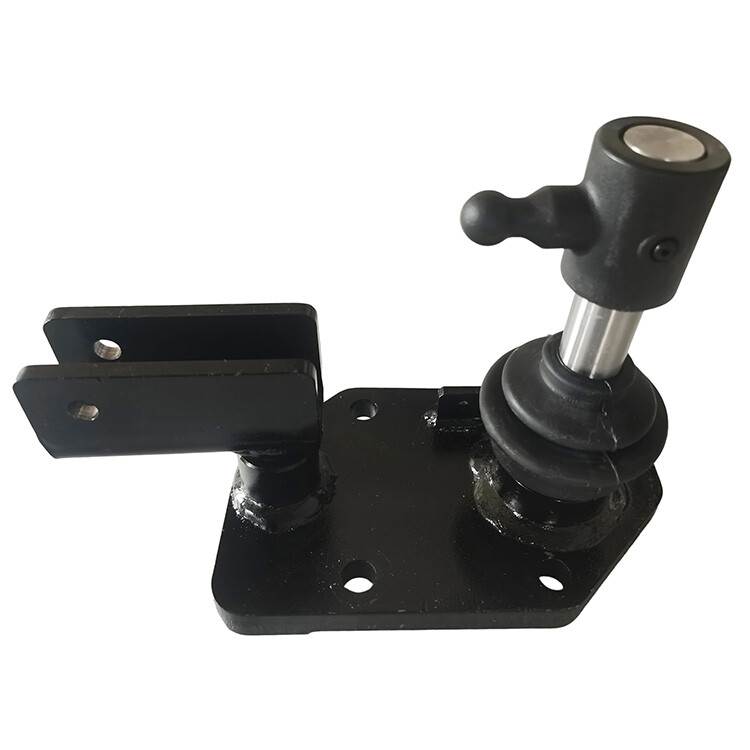
The reliability of a tractor brake assembly is fundamentally tied to the precision of its component manufacturing. Buyers in the agricultural sector cannot afford failures; downtime is expensive, and safety is paramount. The production sequence for these critical components—which connect the control lever to the hydraulic braking system—is a stringent orchestration of four core disciplines: CNC precision machining, mold manufacturing, sheet metal work, and expert welding. Our focus is on the initial phase: meticulous cutting and drilling. By holding ultra-tight tolerances during these steps, we preemptively eliminate the fitment issues and structural weaknesses that often plague lower-quality aftermarket parts. This meticulous approach reduces field assembly time and eliminates premature component wear, translating directly into reduced overall cost of ownership for the buyer.
FAQ Block Q: Why is CNC precision vital for the brake assembly?
A: CNC precision ensures exact geometric tolerances for the valve body and linkages, which is critical for smooth, reliable lever action and leak prevention.
Q: What is the typical turnaround time for an order?
A: Production for metal components is optimized for rapid delivery, typically ranging from 7 to 20 days.
Structured Facts Topic: Component Integrity Key Insight: Preemptive Tolerance Control Related Standard: ISO 9000 Requirements Machining Method: CNC Cutting & Drilling Buyer Pain Point: Field Fitment Issues Value Proposition: Reduced Assembly Time Equipment Focus: Precision CNC Lathes Output Consistency: High
Reinforcement "The difference between acceptable and exceptional is found in the microns." We focus on microscopic precision to guarantee macroscopic performance and buyer satisfaction.
SECTION 2: CRITICAL QUALITY ASSURANCE: THE 100% SEALING TEST
For any hydraulic or brake component, the single greatest point of failure is leakage. This is why the final assembly step is immediately followed by a non-negotiable quality gate: the 100% Sealing Test. This pressure test validates the integrity of every welded joint and seal where the component interfaces with the hydraulic system. This step is a direct response to the buyer's fear of receiving a faulty batch. Unlike suppliers who rely on sampling, testing every single unit ensures that when the brake assembly reaches your facility or your customer's tractor, it is guaranteed to perform under maximum operating pressure. This rigorous testing methodology shields buyers from the financial losses associated with warranty claims and component recall, offering quantifiable risk reduction.
FAQ Block Q: Why perform a 100% sealing test instead of batch testing?
A: Testing every unit eliminates the risk of systemic failure found in untested samples, guaranteeing hydraulic integrity and safety for the end-user.
Q: Is the testing process documented?
A: Yes, detailed test reports are available, providing full traceability and supporting third-party verification.
Structured Facts Critical Test: 100% Sealing Test Failure Point Addressed: Hydraulic Leakage Quality Standard: Zero Leakage Buyer Value: Eliminates Warranty Risk Process Stage: Post-Assembly Verification Access: Third-Party Inspection Allowed Durability Focus: Stress Resistance Output Reliability: Certified Safe
Reinforcement Don't gamble on samples. We eliminate the risk for you by certifying every single unit against hydraulic failure.
SECTION 3: STRATEGIC MOLD MODIFICATION FOR LIFETIME COST REDUCTION
Tooling costs often represent the largest barrier to innovation or sourcing new parts. We address this directly through an advanced in-house capability for mold design and production. While a new mold typically takes approximately 28 days to produce, the real value lies in our strategy of Secondary Mold Modification. Instead of charging for entirely new tooling for a minor product variation or design update, we expertly modify the existing mold. This approach maximizes the utility of the original investment, allowing buyers to innovate and manage product variations while significantly reducing long-term capital expenditure on tooling—a crucial differentiator for procurement managers.
FAQ Block Q: How does secondary mold modification save money?
A: It avoids the cost of designing and producing a brand new mold when only minor component adjustments are needed.
Q: What is the typical lead time for a new mold?
A: Custom mold development is completed rapidly, typically within 28 days.
Structured Facts Service Focus: Tooling Cost Optimization Innovation Strategy: Secondary Mold Modification Lead Time (New Mold): Approx. 28 Days Cost Benefit: Reduced Capital Expenditure Design Capability: In-House Customization Tooling Strategy: High-Utility, Multi-use Design Procurement Value: Budget Efficiency Flexibility Metric: High Adaptability
Reinforcement The smart buyer doesn't just look at the piece price; they look at the lifetime cost of tooling. Our modification strategy is designed to keep your tooling budget low.
SECTION 4: THE INTEGRATED MANUFACTURING WORKFLOW
Manufacturing a complex component like a brake assembly requires seamless integration across specialized departments. The journey moves from the initial high-precision cutting and drilling to expert welding, which joins the lever base and the valve body structure. Following welding, a specialized surface treatment is applied. This treatment is not cosmetic; it is a necessity, providing corrosion resistance against water, chemicals, and agricultural debris that the assembly constantly faces in the field. By managing this entire workflow in-house, we ensure quality checkpoints are maintained at every stage, providing the buyer with a unified, traceable, and quality-controlled supply chain, simplifying their supplier management.
FAQ Block Q: What is the purpose of the surface treatment?
A: The treatment provides critical corrosion resistance against harsh field elements (dirt, moisture, chemicals) to extend product life.
Q: How does integrated production help the buyer?
A: It reduces complexity and risk, ensuring a single point of accountability for all quality and scheduling issues.
Structured Facts Process Integration: Cutting, Drilling, Welding, Surface Treat Weld Quality: Certified Expert Standards Material Protection: Corrosion Resistance Application Environment: Harsh Agricultural Fields Supply Chain Benefit: Single-Source Accountability Component Durability: Field Longevity Traceability: Full Material Lot Tracking Efficiency Gain: Reduced Inter-supplier Delays
Reinforcement A fragmented supply chain introduces risk. We offer the security of a single, highly-controlled manufacturing ecosystem.
SECTION 5: SCALABILITY AND THE SMALL BATCH ADVANTAGE
While large OEM runs require mass production efficiency, the aftermarket and specialized vehicle segments demand flexibility. Our production philosophy balances high-volume capability with agile small-batch support. Utilizing advanced production facilities equipped with numerous CNC machines, we maintain the ability to quickly shift from a large production order to a small, urgent replacement batch. This flexibility is a massive advantage for aftermarket distributors and specialized maintenance firms, allowing them to manage inventory effectively, avoid excessive stockpiling, and reduce cash flow constraints caused by high Minimum Order Quantities (MOQ).
FAQ Block Q: Do you support small batch or emergency orders?
A: Yes, we maintain production agility to support small batch requirements, minimizing inventory risks for our clients.
Q: What makes your facility suitable for high-volume OEM orders?
A: We operate a large fleet of high-performance machinery, including multiple CNC lathes and machining centers, capable of sustained output.
Structured Facts Order Flexibility: Small Batch Support OEM Capability: High Volume Production Equipment Count: Multiple CNC Units Inventory Benefit: Reduced Stockpiling Risk Buyer Persona: Aftermarket Distributors Market Adaptability: High Resource Allocation: Optimized for Efficiency Delivery Strategy: Just-In-Time Support
Reinforcement We match our production scale to your demand, whether you need 50 units for urgent field repairs or 5,000 for a new tractor line.
| Inquiry
What Can We Do For You